Ten ways to pay for a Smarter City (part two)

(Photo of the Brixton Pound by Charlie Waterhouse)

As I wrote recently, cities across the world are pursuing Smarter City strategies for common reasons including demographics, economics and the environment; but they start in very different social, financial and organisational positions. So there is a need to consider a variety of mechanisms when looking for the financial means to support those strategies.

Last week I discussed five ways in which cities can finance Smarter initiatives; they included tried-and-tested sources such as research grants, and more exploratory ideas such as sponsorship. In this post I’ll consider five more.

6. Approach ethical investment funds, values-led banks and national lotteries

Whilst the current state of the global economy has focused attention on the monetary aspects of our financial systems, in the context of Smarter Cities it is important to note that amongst the great variety of investment instruments are some which have social and environmental objectives.

I was honoured last week to attend the official opening of Sunderland’s new business support facility for social enterprises, Container City, operated by Sustainable Enterprise Strategies (SES). The centre, fabricated from 37 re-conditioned and adapted shipping containers, provides a new basis from which SES can support the hundreds of social enterprises and traditional businesses that they help to start and operate each year; and who provide services and employment in some of the city’s most disadvantaged areas.

Several of these organisations use emerging technologies in innovative ways to promote social outcomes in the city – such as Play Fitness whose “Race Fitness” product uses gamification to encourage children from deprived communities to engage in fitness and wellbeing; or See Detail who provide employment opportunities in software testing for people on the Autistic spectrum. I’ve argued before that this sort of innovation in communities can be a powerful force for making cities Smarter.

SES are supported by a variety of means, including financial institutions with mutual status, and funding programmes aimed specifically at encouraging social enterprise. The UK’s National Lottery provides one such programme, the “Big Lottery Fund“, which aims to support community groups and projects that improve health, education and the environment.

These sort of schemes operate in many countries, in addition to the ethical investment funds available in international markets. Community Interest Companies are another example of the new forms of organisation that are emerging to take advantage of them. Credit Unions and other forms of mutually owned or locally focussed financial institutions exist across the world; and the Global Alliance for Banking on Values recently issued a report stating that what it calls “sustainable banks” are outperforming their mainstream counterparts.

Such organisations will often demand a financial return in addition to social and environmental outcomes; but well-formed investment proposals for Smarter initiatives should be capable of meeting those objectives.

7. Make procurement Smarter

(Photo of a smart parking meter in San Francisco by Jun Seita)

Cities already spend hundreds of millions to billions of Pounds, Euros and Dollars each year operating city systems; and buying products, materials and services to support them. The scoring criteria in those procurements can be a powerful tool to create smarter cities.

Systems such as utilities, transport and maintenance of the environment are often contracted out to the private sector. If procurement criteria for those contracts are specified using traditional measures for the provision and cost of capability, then suppliers will likely offer traditional solutions and services. However, if procurements specify requirements for outcomes and innovation in line with a Smarter City strategy, then suppliers may offer more creative approaches.

Cities could specifically procure Smarter systems such as smart meters for water and power; or they could specify outcome-based procurement criteria such as lowering congestion or carbon impact in traffic systems; or they could formulate more open criteria to incent innovation and creativity. Jackie Homan of Birmingham Science City recently wrote a great article describing how some of those ideas are being explored in Birmingham and Europe.

8. Use legitimate state aid

A significant component of many Smarter City strategies is to stimulate economic and social growth in the less economically active areas of cities. Such initiatives often run into a “chicken-and-egg” or “bootstrapping” problem: new businesses need infrastructures such as broadband connectivity to start and succeed; but until an area has significant business demand, network providers won’t invest in deploying them.

Birmingham and Sunderland have both addressed this problem recently, winning exemptions from or avoiding conflict with European Union “State Aid” legislation to secure city-wide broadband deployments.

It’s important to make sure that such infrastructures are accessible. In the same way that a new city highway can divide the communities it passes through rather than linking them, it is important that new technology infrastructures are designed in consultation with local businesses and communities in order to provide capabilities they really need, through commercial models that they can afford to use.

Tax increment financing, which allows government bodies to use projected future increases in tax and business rates returns to justify investment in redevelopment, infrastructure, and other community-improvement projects, is another mechanism that can be used in this way. In the UK, the national government is undertaking an important extension of this thinking by agreeing a set of individual “City Deals” with cities such as Leeds and Birmingham, giving them new autonomous powers over local taxation and investment.

(Developers at City Camp Brighton explore ways in which collaboration and web technologies can contribute to the city’s future. Photo by Richard Stubbs)

9. Encourage Open Data and Hacktivism

Communities can bring great passion and resources to bear in finding new ways for their cities to work. In the domain of technology, this is exemplified in the phenomenon of “Hacktivism” in which volunteers lend their time and expertise to create new urban applications.

As I’ve discussed before, when this willingness to contribute is combined with the movement to Open Data and the transformation underway to regional shared services in public sector, powerful forces can be unleashed.

Code for America have championed this agenda in the United States, and this year Code4Europe was launched to promote a similar level of engagement in Europe.

There are limits to what can be achieved for free. But in my view great potential exists, particularly if City authorities can work in partnership with these movements to provide secure, scalable, open technology infrastructures that they can exploit.

However unfamiliar the produce, markets still need physical, infromation and governance infrastructure

10. Create new markets

For a long time I’ve considered that we should conceive of the platforms that support Smarter Cities not just as technology infrastructures, but as marketplaces – i.e. systems of transactions that take place on those new infrastructures. Marketplaces create money-flows; and marketplace operators can extract revenues from those flows which in return create the case for investing in the marketplace infrastructure in the first place. Further; by opening up the marketplace infrastructure to innovative local service providers, unforeseen new Smarter systems can be created.

There are many examples of new markets that use technologies such as social media and analytics to identify parties between which new transactions can be performed; and that then provide the infrastructure and governance to carry out those transactions. Craig’s List and E-Bay are well-known general marketplaces; whilst Freecycle specialises in the free distribution of unwanted items for re-use in communities. Zopa and Prosper apply these ideas to peer-to-peer lending and investment.

Similar markets with specific relevance to city systems are emerging. Streetline offer a Smarter Parking solution which could be viewed as a marketplace in parking spaces; and Carbon Voyage‘s system for sharing taxis can be seen as a marketplace for journeys. I’ve explored other examples of local, marketplace-based business models in food and energy in previous articles on this blog; and discussed some of the local currency and trading systems emerging to support them.

What these examples have in common is that they are independent businesses or social enterprises who are winning backing from investors because they have the potential to generate revenue. As I argued in the case of Open Data and Hacktivism above, if cities can find ways to support such innovative businesses, they’ll find another community that is able to help them achieve a Smarter City transformation.

The buck doesn’t stop here

The ideas for funding Smarter Cities that I’ve discussed over the last two weeks are certainly not exhaustive; and as a technologist rather than an economist or financier I certainly don’t consider them definitive.

But hopefully I’ve provided enough examples in support of them to demonstrate that they are realistic approaches with the potential to be re-used. I certainly expect to see them all play a role in financing the transition to the cities of the future.

Ten ways to pay for a Smarter City (part one)

Birmingham’s striking new Library, which will open in 2013, is one example of the regeneration projects currently underway in cities despite the challenging economic climate.

I’ve been meeting frequently of late with academic, public sector and private sector partners in city systems to explore the ways in which Smarter City initiatives are funded. Whilst many such programmes are underway, it is still the case that individual cities starting on this path find that it can take considerable time to identify and secure funds.

The ultimate stakeholder in Smarter City initiatives is often a local authority – they alone have the responsibility to ensure the functioning and success of a city as a whole. But whilst some reports show that private sector sentiment is finally improving following the 2008 crash, public sector – and in particular, local government – is still in the grasp of an unprecedented squeeze in funding. So where can city authorities look for the – sometimes substantial – funds needed to support Smarter City initiatives?

Up to now, a great many Smarter City initiatives have been funded at least in part by research grants. By their nature, these will only fund the first projects to explore Smarter City concepts – they will not scale to support the mass adoption of proven ideas. So we need to consider how they are used alongside other sources of funding.

In this post I’ll describe the first five of ten ways that Smarter City initiatives can be funded, including but not limited to research grants. None of them are silver bullets; but they all represent realistic ways to start paying for cities to become Smarter. I’ll describe another five in a follow-up post next week.

The UK Technology Strategy Board’s “Creative Industries Knowledge Transfer Network” (who took this photo) brings innovators in cities together to create new ideas.

1. Apply for research grants to support new Smarter City ideas

Whilst research funding will not pay for widespread adoption of proven Smarter City ideas, it will still support the search for new ideas. And we have certainly not exhausted the supply of ideas – far from it. In the UK, the Technology Strategy Board’s award of thirty £50,000 grants to perform “Future City” feasibility studies has kick-started a frenzy of activity. Just one of the thirty cities awarded these grants will be chosen to receive £24 million to support a demonstrator project; but many of the others will use the results of their feasibility studies to seek independent funds to move ahead.

The European Union recently launched an Innovation Partnership for Smart Cities and Communities that is expected to provide €365 million to support projects demonstrating innovative urban technology systems; and many funding programmes that are not labelled “Smart” or “City” are nevertheless relevant to Smarter Cities – such as the Technology Strategy Board’s “Innovating in the Cloud” funding competition or the UK Engineering and Physical Sciences Research Council’s “Research in the Wild” programme.

From social science to sustainability to healthcare to transport and buildings, many research agendas are relevant to creating the cities of the future; and new, well-formed ideas can always seek support from the relevant funding organisations. In this context, it’s not surprising that we’re seeing ever-closer links being forged between cities and the Universities that are located in them.

2. Exploit the information-sharing potential of shared service platforms

City and regional authority finances are under unprecedented pressure from the acute financial situation and expected demographic changes. In the developed world, we are getting older, and more people who have retired from work need the support of less people who are still working and paying taxes; and in emerging economies, urban populations are growing at a staggering rate.

In order to save money whilst maintaining vital services, local governments are increasingly sharing the delivery of support services such as finance, HR and IT; saving money – and reducing staff – in those functions in order to preserve the delivery of frontline services such as education and social care. It is difficult to overstate the significance of these changes; in the UK, for example, it is expected that nearly 900,000 public sector workers – 3% of the entire national workforce – will lose their jobs over the next five years as a result. Whilst specific characteristics vary from place to place, similar trends are visible across the world.

One outcome of these changes is that shared IT platforms are increasingly in place in cities and regions to support shared services. Those platforms now host co-located, multi-agency data. Cities such as Plymouth, Dublin and Sunderland are starting to explore the benefits that might be realised from that data. In Sunderland, the CEO and CIO have both spoken extensively about the opportunities they see to transform the city and services within it using their City Cloud platform. The East Riding of Yorkshire has been sharing services between agencies for some time, and has reported their achievements in addressing Child Poverty through improving cross-agency information sharing as a result.

These examples all show that whilst the current acceleration of shared services in cities and regions has its origins in adversity, it nevertheless offers the potential to support some positive outcomes too.

3. Find and support hidden local innovations

(Photograph by Meshed Media of Birmingham’s Social Media Cafe, where individuals from every part of the city who have connected online meet face-to-face to discuss their shared interest in social media.)

City populations are not passive observers to the Smarter City phenomenon. They may be crowd-sourcing mapping information for OpenStreetMap; running or participating in hacking events such as the forthcoming Government Open Hackday in Birmingham; or they may be creating new social enterprises or regional technology startups, such as the many city currencies and trading schemes that are appearing. Simply running social media surgeries as Podnosh do in Birmingham, can have a powerful effect on local communities by helping them exploit social technology to uncover hidden synergies and connections.

Individual officers in many councils work very positively with these community innovators. But substantial formal relationships can be impeded by the complexity of public sector procurement regimes which are simply too expensive and time-consuming for very small organizations to engage with. By simplifying procurement practices – or even by being transparent about the level of purchase below which competitive procurement does not apply – the level of engagement between city authorities and these communities could be increased. Bridging organisations can also play a positive role here, such as Sustainable Enterprise Strategies (SES) in Sunderland. SES provide support to the local social enterprise community and act as a link between that community and the City Council.

Local entrepreneurs and innovators often have limited resources. On their own, they are unlikely to implement such Smarter City infrastructures as energy grids or real-time transport information systems, for example. But collectively, their ideas could contribute significantly to the business case for a local authority to invest in such infrastructures. By engaging with this community extensively, a portfolio of potential innovations and outcomes can be created to demonstrate the value of such investments. By drawing on the collective creative energies of the city in this way, that portfolio is likely to contain many more ideas than could be obtained from central agencies alone.

4. Explore the cost-saving potential of Smarter technologies

At the heart of Smarter Cities is the idea that information integration and analytic technologies allow better, more forward looking decisions to be taken within cities; with the potential both to improve outcomes and to reduce costs. Whereas the desired outcomes may be citywide and social or environmental in nature rather than directly financial, many case studies show that short-term cost reductions can also be achieved within a single investing organisation. These cost reductions, of course, can then be the basis of an investment case – as they were for Sunderland’s City Cloud.

The London Borough of Brent in the UK, for example, realised significant cost savings by reducing error and fraud using such technologies, as did Alameda County in the US, who also identified new revenue opportunities (see this case study and this video).

As I dicussed in an earlier blog post exploring this topic, if these technologies are deployed on the shared IT platforms described above, then once in place they can be re-used for other purposes. This might lower the cost of deploying subsequent solutions elsewhere in city systems, such as traffic prediction for commuters in order to reduce the congestion that lowers economic productivity and job creation in cities; or predictive analytics to enable preventative approaches to social care, as demonstrated by Medway Youth Trust.

5. Could Smarter Cities be sponsored?

The Miami Dolphin’s Sun Life Stadium photographed by Bob Brown

In recent times we have become used to the idea that sports stadiums take their names from sponsors who fund the teams that own them, such as Arsenal Football Club’s Emirates Stadium. Such facilities are cities in microcosm in many respects, operating their own power, transport, safety and other systems analogous to those found in cities. Some, such as the Miami Dolphin’s Sun Life Stadium are already transforming those systems to become Smarter Stadiums.

Other facilities such as ports, airports, industrial plants, shopping malls and University campuses can be considered “micro-cities” in a similar way; and as I have commented before some of these are large enough that transforming their systems can make a significant contribution to transforming the cities in which they are based.

Could the concept of sponsorship be extended beyond sports stadiums? It has certainly been applied to entertainment facilities such as the O² Arena; and many airports have changed their names for marketing and branding purposes. 

I don’t expect we’ll see a city renamed by a corporate sponsor anytime soon, and novels such as Max Barry’s “Jennifer Government” and Rupert Thomson’s “Soft” have cautioned against such ideas. As past controversies around privatisation and commercialisation in areas of education and the justice system suggest, there are certainly city systems for which this idea could be challenging or simply inappropriate. But with cities increasingly conscious of the value of their brands in attracting investment and business, and with local employers conscious of the need for cities to seem attractive to the skilled people they need to employ, the possibilities for sponsorship to support some form of investment in appropriate Smarter City systems or facilities – especially those that are already private sector components of the city ecosystem – could be worth considering.

Funding the Smarter City roadmap

It’s very unlikely that any of the ideas I’ve discussed here will fund an entire Smarter City transformation, of course. But they are all realistic possibilities to fund elements of such a transformation. The challenge for cities is for their stakeholders to come together and agree how they will collectively exploit all of these ideas – and more – in funding the elements of a programme that they agree to undertake together.

Next week I’ll continue this discussion by exploring five more ways for cities to fund and support Smarter initiatives.

Four avatars of the metropolis: technologies that will change our cities

(Photo of Chicago by Trey Ratcliff)

Many cities I work with are encouraging clusters of innovative, high-value, technology-based businesses to grow at the heart of their economies. They are looking to their Universities and technology partners to assist those clusters in identifying the emerging sciences and technologies that will disrupt existing industries and provide opportunities to break into new markets.

In advising customers and partners on this subject, I’ve found myself drawn to four themes. Each has the potential to cause significant disruptions, and to create opportunities that innovative businesses can exploit. Each one will also cause enormouse changes in our lives, and in the cities where most of us live and work.

The intelligent web

(Diagram of internet tags associated with “Trafalgar” and their connections relevant to the perception of London by visitors to the city by unclesond)

My colleague and friend Dr Phil Tetlow characterises the world wide web as the biggest socio-technical information-computing space that has ever been created; and he is not alone (I’ve paraphrased his words slightly, but I hope he’ll agree I’ve kept the spirit of them intact).

The sheer size and interconnected complexity of the web is remarkable. At the peak of “web 2.0” in 2007 more new information was created in one year than in the preceding 5000 years. More important, though, are the number and speed of  transactions that are processed through the web as people and automated systems use it to exchange information, and to buy and sell products and services.

Larger-scale emergent phenomena are already resulting from this mass of interactions. They include universal patterns in the networks of links that form between webpages; and the fact that the informal collective activity of “tagging” links on social bookmarking sites tends to result in relatively stable vocabularies that describe the content of the pages that are linked to.

New such phenomena of increasing complexity and significance will emerge as the ability of computers to understand and process information in the forms in which it is used by humans grows; and as that ability is integrated into real-world systems. For example, the IBM “Watson” computer that competed successfully against the human champions of the television quiz show “Jeopardy” is now being used to help healthcare professionals identify candidate diagnoses based on massive volumes of research literature that they don’t have the time to read. Some investment funds now use automated engines to make investment decisions by analysing sentiments expressed on Twitter; and many people believe that self-driving cars will become the norm in the future following the award of a driving license to a Google computer by the State of Nevada.

As these astonishing advances become entwined with the growth in the volume and richness of information on the web, the effects will be profound and unpredictable. The new academic discipline of “Web Science” attempts to understand the emergent phenomena that might arise from a human-computer information processing system of such unprecedented scale. Many believe that our own intelligence emerges from complex information flows within the brain; some researchers in web science are considering the possibility that intelligence in some form might emerge from the web, or from systems like it.

That may seem a leap too far; and for now, it probably is. But as cities such as Birmingham, Sunderland and Dublin pursue the “open data” agenda and make progress towards the ideal of an “urban observatory“, the quantity, scope and richness of the data available on the web concerning city systems will increase many-fold. At the same time, the ability of intelligent agents such as Apple’s “Siri” smartphone technology, and social recommendation (or “decision support”) engines such as FourSquare will evolve too. Indeed, the domain of Smarter Cities is in large part concerned with the application of intelligent analytic software to data from city systems. Between the web of information and analytic technologies that are available now, and the possibilities for emergent artificial intelligence in the future, there lies a rich seam of opportunity for innovative individuals, businesses and communities to exploit the intelligent analysis of city data.

Things that make themselves

(Photo of a structure created by a superparamagnetic fluid containing magnetic nanoparticles in suspension, by Steve Jurvetson)

Can you imagine downloading designs for chocolate, training shoes and toys and then making them in your own home, whenever you like? What if you could do that for prosthetic limbs or even weapons?

3D printing makes all of this possible today. While 3D printers are still complex and expensive, they are rapidly becoming cheaper and easier to use. In time, more and more of us will own and use them. My one-time colleague Ian Hughes has long been an advocate; and Staffordshire University make their 3D printer available to businesses for prototyping and exploratory use.

Their spread will have profound consequences. Gun laws currently control weapons which are relatively large and need to be kept somewhere; and which leave a unique signature on each bullet they fire. But if guns can be “printed” from downloadable designs whenever they are required  – and thrown away afterwards because they are so easy to replace – then forensics will rarely in future have the opportunity to match a bullet to a gun that has been fired before. Enforcement of gun ownership will require the restriction of access to digital descriptions of gun designs. The existing widespread piracy of music and films shows how hard it will be to do that.

3D printers, combined with technologies such as social media, smart materials, nano- and bio-technology and mass customisation, will create dramatic changes in the way that physical products are designed and manufactured – or even grown. For example CocoWorks, a collaboration involving Warwick University, uses a combination of social media and 3D printing to allow groups of friends to collectively design confectionery that they can then “print out” and eat.

These changes will have significant implications for city economies. The reduction in wage differentials between developed and emerging economies already means that in some cases it is more profitable to manufacture locally in rapid response to market demand than to manufacture globally at lowest cost. In the near-future technology advances will accelerate a convergence between the advanced manufacturing, design, communication and information technology industries that means that city economic strategies cannot afford to focus on any of them separately. Instead, they should look for new value at the evolving intersections between them.

Of mice, men and cyborgs

(Professor Kevin Warwick, who in 2002 embedded a silicon chip with 100 spiked electrodes directly into his nervous system. Photo by M1K3Y)

If the previous theme represents the convergence of the information world and products and materials in the physical world; then we should also consider convergence between the information world and living beings.

The “mouse” that defined computer usage from the 1980s through to the 2000s was the first widely successful innovation in human/computer interaction for decades; more recently, the touchscreen has once again made computing devices accessible or acceptable to new communities. I have seen many people who would never choose to use a laptop become inseparable from their iPads; and two-year-old children understand them instinctively. The world will change as these people interact with information in new ways.

More exciting human-computer interfaces are already here – Apple’s intelligent agent for smartphones, “Siri”; Birmingham City University’s MotivPro motion-capture and vibration suit; the Emotiv headset that measures thoughts and can interpret them; and Google’s augmented reality glasses.

Even these innovations have been surpassed by yet more intimate connections between ourselves and the information world. Professor Kevin Warwick at Reading University has pioneered the embedding of technology into the human body (his own body, to be precise) since 2002; and in the effort to create ever-smaller pilotless drone aircraft, control technology has been implanted into insects. There are immense ethical and legal challenges associated with these developments, of course. But it is certain that boundaries will crumble between the information that is processed on a silicon substrate; information that is processed by DNA; and the actions taken by living people and animals.

Historically, growth in Internet coverage and bandwidth and the progress of digitisation technology led to the disintermediation of value chains in industries such as retail, publishing and music. As evolving human/computer interfaces make it possible to digitise new aspects of experience and expression, we will see a continuing impact on the media, communication and information industries. But we will also see unexpected impacts on industries that we have assumed so far to be relatively immune to such disruptions: surgery, construction, waste management, landscape gardening and arbitration are a few that spring to mind as possibilities. (Google futurist Thomas Frey speculated along similar lines in his excellent article “55 Jobs of the Future“).

Early examples are already here, such as Paul Jenning’s work at Warwick University on the engineering of the emotional responses of drivers to the cars they are driving. Looking ahead, there is enormous scope amidst this convergence for the academic, entrepreneurial and technology partners within city ecosystems to collaborate to create valuable new ideas and businesses.

Bartering 2.0

(Photo of the Brixton Pound by Matt Brown)

Civilisation has grown through the specialisation of trades and the diversification of economies. Urbanisation is defined in part by these concepts. They are made possible by the use of money, which provides an abstract quantification of the value of diverse goods and services.

However, we are increasingly questioning whether this quantification is complete and accurate, particularly in accounting for the impact of goods and services on the environments and societies in which they are made and delivered.

Historically, money replaced bartering,  a negotiation of the comparative value of goods and services within an immediate personal context, as the means of quantifying transactions. The abstraction inherent in money dilutes some of the values central to the bartering process. The growing availability of alternatives to traditional bartering and money is making us more conscious of those shortcomings and trade-offs.

Social media, which enables us to make new connections and perform new transactions, combined with new technology-based local currencies and trading systems, offer the opportunity to extend our personalised concepts of value in space and time when negotiating exchanges; and to encourage transactions that improve communities and their environments.

It is by no means clear what effect these grass-roots innovations will have on the vast system of global finance; nor on the social and environmental impact of our activities. But examples are appearing everywhere; from the local, “values-led” banks making an impact in America; to the widespread phenomenon of social enterprise; to the Brixton and Bristol local currencies; and to Droplet, who are aiming to make Birmingham the first city with a mobile currency.

These local currency mechanisms have the ability to support marketplaces trading goods and services such as food, energy, transport, expertise and many of the other commodities vital to the functioning of city economies; and those marketplaces can be designed to promote local social and environmental priorities. They have an ability that we are only just beginning to explore to augment and accelerate existing innovations such as the business-to-consumer and business-to-business markets in sustainable food production operated by Big Barn and Sustaination; or what are so far simply community self-help networks such as Growing Birmingham.

As Smarter City infrastructures expose increasingly powerful and important capabilities to such enterprises – including the “civic hacking” movement – there is great potential for their innovations to contribute in significant ways to the sustainable growth and evolution of cities.

Some things never change

Despite these incredible changes, some things will stay the same. We will still travel to meet in person. We like to interact face-to-face where body language is clear and naturally understood, and where it’s pleasant to share food and drink. And the world will not be wholly equal. Humans are competitive, and human ingenuity will create things that are worth competing for. We will do so, sometimes fairly, sometimes not.

It’s also the case that predictions are usually wrong and futurologists are usually mistaken; so you have good cause to disregard everything you’ve just read.

But whether or not I have the details right, these trends are real, significant, and closer to the mainstream than we might expect. Somewhere in a city near you, entrepreneurs are starting new businesses based on them. Who knows which ones will succeed, and how?

From Christmas lights to bio-energy: how technology will change our sense of place

(Photo of Vancouver from the waterfront in Kitsilano by James Wheeler)

Why do we care about cities?

Why are private sector companies, public sector authorities and organisations such as the European Union making such enormous investments in “Smarter Cities“, “Sustainable Cities” and “Future Cities”?

Usually we would say it’s because of a combination of social, environmental and economic challenges facing us all. But there’s a powerful personal force at work too: where we live matters to us.

The choices that the 7 billion of us who share the planet make that are affected by our relationship with the places where we live have an incredible impact, especially when they are concentrated in cities. For example, the combined carbon impact of those who commute into cities to work each day because they choose to live in the less densely populated areas outside them is immense.

If we’re going to succeed in facing the significant challenges facing us, we need to exploit the powerful connections between people and places to motivate us to choose and behave differently.

The super-rich own houses around the world and have the means to travel between them as they choose or as their business demands it; and some professionals or tradespeople choose or accept a life that involves constant travel in the interests of work and employment. But on the whole, these are the exceptions.

Humans are physical not virtual. Whilst we move or travel from time to time out of choice or necessity, most people work and live day-by-day within a place. Some people and communities face challenges of social and transport mobility, and simply have no choice about where they live. Others may have some choice of location, but are limited by means to investing in living in one place. To a greater or lesser degree we all want to make the most of that investment, and don’t want to relocate too often or travel too far or frequently away from home in order to work.

The value we perceive in our connections to places is determined by their physicality, economics and communities. Many cities and regions exploit this by publicising the attractive qualities of the environment that they can offer – to individuals looking for homes, or to businesses looking for locations to operate from. Whilst the qualities of natural geography are certainly an important contributor to the quality of those environments, many of the other factors are to do with the people within them.

The choices and actions of people can have unusual effects on their environment; for example, the residents of Broadwater Road in Southampton choose collectively to mount striking lighting displays on their houses every Christmas. Or local regulations can constrain the choices of residents to achieve sometimes impressive results, such as in the beautiful urban village of Bourneville in Birmingham.

(Photo of the beautifully maintained frontage of houses in Bournville, Birmingham, by C. Wess Daniels)

Place and economy have many and complex influences on each other. The “Silicon Roundabout” cluster of entrepreneurial technology businesses in London exists where it does because of a combination of proximity to London’s financial services sector – and its venture capitalisists – and the availability of cheap flats, pubs and food outlets. These latter make it an affordable, attractive place to live for the young people with technology skills that start-up companies need to hire.

In other cases, the influences are less constructive. London’s economy has succeeded through businesses that rely on higly educated, skilled people; who in turn are recompensed with some of the highest wages in the country. Accordingly, house prices are extremely high. This it turn makes it difficult or impossible for many people in careers with more modest salaries to afford housing – for example, teachers. If there’s one thing that educated, successful people can be pretty much guaranteed to care about, it’s providing a high quality education for their children. But their success and affluence makes it hard for teachers to live nearby and provide it.

Modern communication technologies provide new opportunities for communities to form and interact in ways that give them more insight into and control over the impact of their interactions. Somewhere between the inventions of the telegraph and virtual worlds, we passed a tipping point: the earliest technologies were simply means to pass messages between people who already knew each other; the ones we have now – especially social media – enable people to identify, contact and transact with complete strangers based on some common interest.

Some simple examples of these technologies allowing communities to behave in more sustainable ways are the recycling network Freecyle, the LandShare initiative that provides access to untended land to people who want to grow food but don’t have gardens, and Carbon Voyage, one of many platforms that promote the sharing of cars, taxis and other forms of transport.

These technologies gives us the opportunity to build new marketplaces and currencies which can be used to encourage transactions that create social, environmental and economic value for communities. For example, organisations such as Big Barn and Sustaination are building new business-to-consumer and business-to-business marketplaces to encourage more sustainable food production and consumption.

(Photo of a 3D printer at work by Media Lab Prado)

What’s even more interesting is to look ahead to emerging technologies that could make it possible for such community markets to create some very surprising disruptions in the way city systems and some industries work. Smart materials and 3D printers, combined with the reduction in cost differentials between emerging and mature markets, are bringing some striking changes to manufacturing; meaning that in some cases it is more important to be able to manufacture customised items locally in immediate response to individual demand than it is to globally source the lowest cost manufacturer of commodity items.

New innovations in user interfaces are also making it easier to connect people to digital information and services. Whilst significant challenges remain in making such services truly accessible to all, it’s already striking to see tablet computers and e-readers being widely used by people who would never choose to buy or use a laptop. And once you’ve seen how naturally very young toddlers interact with tablet computers in particular, you realise how significantly the world will change in future years.

(Photo of me wearing the Emotiv headset)

Technology has already advanced even further; Emotiv‘s headset, which measures brain activity, has already been used by my colleagues to drive a London Taxi around an airfield by using the headset to monitor their thoughts; and Professor Kevin Warwick of Reading University has pioneered the use of computing technology embedded in our bodies as a means of interacting with information systems in our environment. As such technologies mature and spread they’ll have impacts that are impossible to predict.

The New Optimists, a community of scientists and industry experts came together in Birmingham recently to explore the opportunities that new technologies offer for highly distributed energy production systems in communities. Domestic solar panels are an obvious means to do this; but geo-thermal energy, wind and tidal energy are other candidates. Southampton is already producing its own geo-thermal energy, for example, and Eco-Island are attempting to harness several such approaches to make the Isle of Wight not just self-sufficient in terms of energy, but a net exporter. The European Bio-Energy Research Institution (EBRI) at Aston University in Birmingham is developing new, more efficient means of producing energy from biological waste material such as discarded food. A prototype power-plant is already providing energy to 800 households in Shropshire. The New Optimists discussion looked ahead to the possibility that such technologies could be scaled-down even further for use in individual homes.

The systems exploiting these technologies in communities are winning investment because they are market-based: they create money-flows and revenue streams against which investments can be justified. Whilst their focus is local, it is not isolated: complete self-sufficiency will probably never be achieved, and is usually not the goal. Rather, it’s to maximise the benefits of local trading whilst making the impact of import and export more transparent so that more informed choices can be made.

Such place-based trading networks could connect the choices we make every day more directly with their impact on the places in which we live and work; exploiting our consciousness of the investments we’ve made in those places to persuade us to choose differently to protect and improve them. And if they’re linked sufficiently to the industrial national and international supply chains that provide what can’t be sourced locally, they could take into account the wider social and environmental impact of imported goods and services too. Of course, that will only be achieved if those systems are made more transparent, but the pressure to do that already exists. And the more we have the means to exploit transparency, the more effective that pressure will be.

We want to make our cities and lives more sustainable because we’re conscious of the environmental, social and economic challenges facing our planet; we’re most likely to do so through choices that have positive impacts we can see on the places where we live. Technology will continue to provide new mechanisms that can make such choices available to us; but its down to us as individuals and communities to harness and use them.

How Smarter Cities Get Started

(Photo of The Cube in Birmingham by Elliott Brown)

I was delighted recently to be invited to join Birmingham’s new “Smart City Commission”. The Commission is meeting for the first time today, and leading up to it I gave some thought to what the common ideas are that are emerging from cities that are making progress with their “Smarter” transformations.

Many of the environmental, social and economic forces behind the transition to Smarter Cities are common everywhere; however, the capabilities that enable cities to act in response to them are usually very specific to individual cities. They depend on factors such as geographic location, the structure and performance of the local economy, the character of local communities, and the approach of leaders and stakeholders across the city.

The relationships between those stakeholders and communities are crucial. Cities may aspire to encourage economic growth amongst small, high-technology businesses; or to stimulate innovation in service delivery by social enterprises; or to switch to more sustainable patterns of travel and energy usage. To act successfully to achieve any of these aims, long and complex chains of connections between individuals need to work effectively, from city leaders, through their organisations, to community and business associations such as small business forums, neighbourhood communities, and faith groups, to individual companies, their employees and citizens across the city.

So how does it happen that this complex web of city systems can make cohesive progress towards such challenging objectives?

I’m not going to claim to have a complete answer, but I do think we can observe patterns in the behaviour of the cities who have made the most progress.

Does the city have a plan?

Cities already have plans, of course. In fact, often they have lots of plans – for the economy, for housing, for public service transformation, for marketing and for many other aspects of urban systems.

What is really required in a Smarter City context, though, is a single plan that captures the vision and means for transformation; and that is collectively defined and owned by stakeholders across the city; not by any single organisation acting alone. It needs to be consistent with existing plans within individual domains of the city; and in time needs to influence those plans to develop and change.

(Photo of Mount St. Helens from Portland, Oregon, by Keith Skelton)

Evidence supporting the importance of formulating such cross-city plans is growing. IBM’s work with the City of Portland is illustrating the deep and sometimes unexpected connections between city systems.  Elsewhere, Tim Stonor is a great advocate of the relationships between the physical organisation of cities and their social and economic character. IBM’s system, Tim’s work and that of the physicist and biologist Geoffrey West are all capable of making quantified predictions about the impacts of links within and between city systems.

A Smarter City plan needs to set out a vision that is clear and succinct, often expressed in a single sentence capturing the future that the city aspires to. That vision is usually supported by a handful of statements that summarise its impact on key aspects of the city – such as wealth creation, inclusivity and sustainability. Together these statements are something that everyone involved in the city can understand, agree to and promote. Sunderland’s “Economic Masterplan” is an example of a cross-city vision that is constructed in this way.

To make the vision deliverable, a set of quantified objectives against which progress can be measured are vital. In IBM as we work with cities to establish these measures, we’re learning that social, financial, environmental, strategic and brand values are all important and related. They could include improvements in education attainment; creation of jobs; increase in the GDP contribution by small businesses in specific sectors; reduction in carbon impact in specific systems or across the city as a whole; improvements in measures of health and well-being; and may include some qualitative as well as quantifiable criteria. It is against such objectives that specific programmes and initiatives can be designed in order to make real progress towards the city’s vision.

In this way a roadmap of activity aligned with a city’s transformation objectives can be laid out. It’s important that this roadmap includes a mixture of long and short-term projects across city domains; and in particular that it includes some “quick wins” – in attempting to work in new partnerships to achieve new objectives, nothing builds confidence and trust like early success.

Does the city have an effective stakeholder forum?

Once stakeholders from a city ecosystem have come together to define a vision and a plan to achieve it, it’s vital that they maintain a regular and empowered decision-making forum to drive progress. The delivery of a Smarter City plan relies on many separate investments and activities being undertaken by many independent individuals and organisations, justified on an ongoing basis against their various short-term financial obligations. Keeping such a complex programme on track to achieve cohesive city-level outcomes is an enormous challenge.

Such forums are often chaired by the city’s local authority; and they often involve representatives from local universities who act as trusted advisors on topics such as urban systems, sustainability and technology. They can include representatives from local employers, faith and community groups, institutions such as sports and retail centres, and trusted partners in domains such as technology, transport, city planning, architecture and energy. The broader the forum, the more completely the city is represented; but these are “coalitions of the willing”, and each city begins with its own unique mix.

In fact, a formative event or workshop that brings such city stakeholders together for the first time, is often the catalyst for the development of a Smarter City plan in the first place.

Is the city community acting together?

(Photo of the crowd at Moseley Folk Festival, Birmingham, by Pete Ashton)

It’s impossible to understate the importance of individual people in making cities Smarter. The functioning of a city is the combined effect of the behaviour of all of the people within it; and Smarter City systems will not change anything unless they engage with and meet the needs of those individuals.

The Knight Foundation’s excellent work on the “Information Needs of Communities“, for example, highlights the importance of engaging deeply with communities to understand the information needs of the individuals within them, rather than providing generic information platforms for cities as a whole. Where such information platforms do succeed, it is because their delivery and operations are focussed on specific areas identified as priorities in consultation with communities.

Community and faith groups are tremendously important in this process, as they can bridge between institutions such as Councils and employers and individuals in all the communities of a city, including those that face the most significant challenges. Every city has communities that struggle to access information, services and opportunities; and communities that are less engaged in the decision-making and consultation processes that lead to such things as Smarter City plans.

In Sunderland, the City Council has placed computer access points in around 40 “e-village halls” (see short articles on the Council’s website here and here). These are often facilities owned and run by community associations, and provide a trusted environment in which members of local communities can help each other access digital information and services. The city has a strong tradition of social enterprises  working in these communities; Sustainable Enterprise Strategies offer advice, facilities and support to such organisations from their new “Container City” facility.

These networks of people, organisations and infrastructure are vital assets that support Sunderland’s transformation objectives, particularly as the city delivers its new Cloud computing platform. They are a good example of the way a city can bring individuals, communities, organisations and technology together in support of common aims.

It’s a tremendous honour for me to have been asked to join Birmingham’s Smart City Commission . I’ve lived more than half my life in the city; it’s where I finished my education and started my career and family. So the chance to contribute to its future thinking is a personal privilege as well as a professional one. The commission has drawn together an incredible collection of expertise from across the city and beyond; I hope we can rise to the challenge of keeping Birmingham on course to play as prominent a role in the Information Revolution into the future as it played in the Industrial Revolution of the past.

Can cities break Geoffrey West’s laws of urban scaling?

(Photo of Kowloon by Frank Müller)

As I mentioned a couple of weeks ago, I recently read Geoffrey West’s fascinating paper on urban scaling laws, “Growth, innovation, scaling and the pace of life in cities“.

The paper applies to cities techniques that I recall from my Doctoral studies in the Physics and Engineering of Superconducting Devices for studying the emergent properties of self-organising complex systems.

Cities, being composed of 100,000s or millions of human beings with free-will who interact with each other, are clearly examples of such complex systems; and their emergent properties of interest include economic output, levels of crime, and expenditure on maintaining and expanding physical infrastructures.

It’s a less intimidating read than it might sound, and draws fascinating conclusions about the relationship between the size of city populations; their ability to create wealth through innovation; sustainability; and what many of us experience as the increasing speed of modern life.

I’m going to summarise the conclusions the paper draws about the characteristics and behaviour of cities; and then I’d like to challenge us to change them.

Professor West’s paper (which is also summarised in his excellent TED talk) uses empirical techniques to present fascinating insights into how cities have performed in our experience so far; but as I’ve argued before, such conclusions drawn from historic data do not rule out the possibility of cities achieving different levels of performance in the future by undertaking transformations.

That potential to transform city performance is vitally important in the light of West’s most fundamental finding: that the largest, densest cities currently create the most wealth most efficiently. History shows that the most successful models spread, and in this case that could lead us towards the higher end of predictions for the future growth of world population in a society dominated by larger and larger megacities supported by the systems I’ve described in the past as “extreme urbanism“.

I personally don’t find that an appealing vision for our future so I’m keen to pursue alternatives. (Note that Professor West is not advocating limitless city growth either; he’s simply analysing and reporting insights from the available data about cities, and doing it in an innovative and important way. I am absolutely not criticising his work; quite the oppostite – I’m inspired by it).

So here’s an unfairly brief summary of his findings:

  • Quantitative measures of the creative performance of cities (such as wealth creation or the number of patents and inventions generated by city populations) – grow faster and faster the more that city size increases.
  • Quantitative measures of the cost of city infrastructures grow more slowly as city size increases, because bigger cities can exploit economies of scale to grow more cheaply than smaller cities.

West found that these trends were incredibly consistent across cities of very different sizes. To explain the consistency, he drew an analogy with biology: for almost all animals, characteristics such as metabolic rate and life expectancy vary in a very predictable way according to the size of the animal.

(Photo of Geoffery West describing the scaling laws that determine animal characteristics by Steve Jurvetson). Note that whilst the chart focusses on mammals, the scaling laws are more broadly applicable.

The reason for this is that the performance of the thermodynamic, cardio-vascular and metabolic systems that support most animals in the same way are affected by size. For example, geometry determines that the surface area of small animals is larger compared to their body mass than that of large animals. So smaller animals lose heat through their skin more rapidly than larger animals. They therefore need faster metabolic systems that convert food to replacement heat more rapidly to keep them warm. This puts more pressure on their cardio-vascular systems and in particular their heart muscles, which beat more quickly and wear out sooner. So mice don’t live as long as elephants.

Further, more complex mechanisms are also involved, but they don’t contradict the idea that the emergent properties of biological systems are determined by the relationship between the scale of those systems and the performance of the processes that support them.

Professor West hypothesised that city systems such as transportation and utilities, as well as characteristics of the way that humans interact with each other, would similarly provide the underlying reasons for the urban scaling laws he observed.

Those systems are exactly what we need to affect if we are to change the relationship between city size and performance in the future. Whilst the cardio-vascular systems of animals are not something that animals can change, we absolutely can change the way that city systems behave – in the same way that as human beings we’ve extended our life expectancy through ingenuity in medicine and improvements in standards of living. This is precisely the idea behind Smarter cities.

(A graph from my own PhD thesis showing real experimental data plotted against a theoretical prediction similar to a scaling law. Notice that whilst the theoretical prediction (the smooth line) is a good guide to the experimental data, that each actual data point lies above or below the line, not on it. In most circumstances, theory is only a rough guide to reality.)

The potential to do this is already apparent in West’s paper. In the graphs it presents that plot the performance of individual cities against the predictions of urban scaling laws, the performance of every city varies slightly from the law. Some cities outperform, and some underperform. That’s exactly what we should expect when comparing real data to an analysis of this sort. Whilst the importance of these variations in the context of West’s work is hotly contested, both in biology and in cities, personally I think they are crucial.

In my view, such variations suggest that the best way to interpret the urban scaling laws that Professor West discovered is as a challenge: they set the bar that cities should try to beat.

Cities everywhere are already exploring innovative, sustainable ways to create improvements in the performance of their social, economic and environmental systems. Examples include:

(Photograph by Meshed Media of Birmingham’s Social Media Cafe, where individuals from every part of the city who have connected online meet face-to-face to discuss their shared interest in social media.)

In all of those cases, cities have used technology effectively to disrupt and transform the behaviour of urban systems. They have all lifted at least some elements of performance above the bar set by urban scaling laws. There are many more examples in cities across the world. In fact, this process has been taking place continuously for as long as cities have existed – see, for example, the recent Centre for Cities report on the development and performance of cities in the UK throughout the 20th Century.

That report contains a specific challenge for Birmingham, my home city. It shows that in the first part of the 20th Century, Birmingham outperformed many UK cities and became prosperous and successful because of the diversity of its industries – famously expressed as the “city of a thousand trades”. In the latter part of the Century, however, as Birmingham became more dependent on an automotive industry that subsequently declined, the city lost a lot of ground. Birmingham is undertaking some exciting regenerative initiatives at present – such as the City Deal that increases it’s financial independence from Central Government; the launch of a Green Commission; and investments in ultra-fast broadband infrastructure. They are vitally important in order for the city to re-create a more vibrant, diverse, innovative and successful economy.

As cities everywhere emulate successful innovations, though, they will of course reset the bar of expected performance. Cities that wish to consistently outperform others will need to constantly generate new innovations.

This is where I’ll bring in another idea from physics – the concept of a phase change. A phase change occurs when a system passes a tipping point and suddenly switches from one type of behaviour to another. This is what happens when the temperature of water in a kettle rises from 98 to 99 to 100 degrees Centigrade and water – which is heavy and stays in the bottom of the kettle – changes to steam – which is light and rises out of the kettle’s spout. The “phase change” in this example is the transformation of a volume of water from a liquid to a gas through the process of boiling.

So the big question is: as we change the way that city systems behave, will we eventually encounter a phase change that breaks West’s fundamental finding that the largest cities create the most value most efficiently? For example, will we find new technologies for communication and collaboration that enable networks of people spread across thousands of miles of countryside or ocean to be as efficiently creative as the dense networks of people living in megacities?

I certainly hope so; because unless we can break the link between the size and the success of cities, I worry that the trend towards larger and larger cities and increasing global population will continue and eventually reach levels that will be difficult or impossible to maintain. West apparently agrees; in an interview with the New York Times, which provides an excellent review of his work, he stated that “The only thing that stops the superlinear equations is when we run out of something we need. And so the growth slows down. If nothing else changes, the system will eventually start to collapse.”

But I’m an optimist; so I look forward to the amazing innovations we’re all going to create that will break the laws of urban scaling and offer us a more attractive and sustainable future. It’s incredibly important that we find them.

(I’d like to think Dr. Pam Waddell, the Director of Birmingham Science City, for her helpful comments during my preparation of this post).

Are Smarter Cities the Key to Social Mobility?

(Photo of Santa Cruz by Cortto)

An interview with Chris Cooper, IBM UK Architect for Smarter Cities

My colleague Chris Cooper was recently appointed as IBM UK’s Architect for Smarter Cities. For many years Chris has helped IBM’s customers and partners in the transport industry build smarter systems with positive social and environmental impact; so he came to his new role with a wealth of experience.

Chris wrote a great paper a couple of weeks ago on the important connections between transport, open data and social mobility (it’s available here, though you need a subscription to access the full article). This week we explored those themes further in a discussion that I thought was worth sharing.

[Rick]: You’ve spoken and written about “Social Mobility” in the context of Smarter Transport and Smarter Cities; can you summarise what you mean by the concept?

[Chris]: Social mobility in the context of Smarter Transport systems is the ability to move people and resources in an informed way that achieves positive social outcomes. It relies on the use of information and communication technologies to facilitate the organisation and optimisation of connections between goods, services and human capital. In short, it can enable communities to work together to achieve their goals.

The real challenge for such systems is how to measure the value of their social, environmental and economic impact. Today, we measure value in monetary terms. But that’s very much a point-in-time measure; and there’s an argument that the full cost of goods and services are not identified and included in their financial price – particularly the social and environmental costs. It’s possible that such costs could be quantified by measures such as standard of living or the “happiness index” that has been suggested by the UK Prime Minister, David Cameron, amongst others.

I recently read a speech by Christine Lagard, Managing Director of the International Monetary Fund, ahead of the Rio+20 Summit. She called for a sustainable and equitably distributed recovery to economic growth; and stated that a barrier to achieving that was that the social and environmental costs you’ve referred to are not included in the prices we pay for goods and services. You’ve described “Social Mobility” as a vision for transport that addresses those challenges and empowers communities.

Yes, absolutely. But one of the challenges we will face is that the companies who operate our transport services are expected to peform against traditional financial measures – and they are audited in the same way. Those measures do not take account of social and environmental impact. If those measures were to be augmented by a “sustainability index” that assessed longer term contributions to society and the environment, then we might look back on current assessments of company performance and view them rather differently.

So if in the future mechanisms such as Carbon Taxes were introduced and became accepted components of financial performance, would we look back at the assessments we’re making today and consider them incomplete?

(Photo of carbon dioxide scrubber from Steve Simpson)

That’s very possible. Our current systems measure short term performance and don’t provide an incentive to plan for the future. It’s becoming more important to correct this as competition for our finite resources intensifies. To do so we need to introduce mechanisms to adjust the cost of resources to recognise their scarcity and the impact of consuming them.

A good precedent can be seen in the way we have combated acid rain. Social and political pressure resulted in the application of financial penalties to the use of the chemicals that contributed to acid rain. Over time those financial penalties made the causative chemicals prohibitively expensive to use; or made it cost-effective to install equipment to prevent their emission, such as the the carbon dioxide scrubbers that are now commonplace in power stations.

No-one argues with the logic of doing that anymore; and we no longer suffer from acid rain. Of course, in today’s globalised economy its important that such measures are applied universally so that they don’t create imbalances in competition, and that’s by no means a simple challenge to resolve.

At the Base Cities London conference we both attended recently, the Deputy Mayor for Environment for Los Angeles told us that in contrast to the relatively weak agreement between national leaders at Rio 20+, city leaders had returned from their own conference in Rio determined to implement the changes required to achieve sustainable economic growth. How do you see the ideas we’ve discussed working in city economies?

If companies published the “sustainability index” I’ve described, consumers could consider it when choosing which companies they should buy goods and services from. That could be a very powerful tool for influencing the impact of the millions of buying decisions made every day by individuals in local markets.

Rather than acting as an overhead or a barrier to innovation, such an index could enable companies to improve their performance. In order to transform operations to more measurably sustainable models, companies will need to invest in  understanding their supply chains, operations and markets in more depth. Doing so will undoubtedly provide opportunities for optimisation.

More generally, localism is going to be an increasingly important concept as we realise that it’s more realistic and effective to affect the communities around us rather than the world at large.

We haven’t spoken much about transport; I’ve seen some interesting studies recently that have highlighted the challenges some communities in cities have in accessing effective transport. To what extent is the concept of social mobility concerned with enabling city communities to travel to where they need to to live, shop and work?

That’s a really important point. The urban spaces we inhabit – including the surrounding rural spaces which supply them – need to be designed in harmony with the transport systems that move people and goods around them.

Whether that’s best accomplished by a “grid” system or through networks of urban villages; and how those ideas apply to new-build cities in emerging economies or the transformation of existing cities in developed economies are subjects that are hotly debated.

I personally think that mixed developments that concentrate a critical mass of people, goods and services within walking distance are the key to enabling the transactions through which cities create value and wealth to take place more frequently and at lower financial, social and environmental cost. Travel doesn’t just consume resources; it’s often an unproductive use of time.

So is it more important to focus on enabling travel within cities than between them in national systems?

Research has shown that cities are the most efficient systems for generating social and economic value; but it’s well known that some cities are losing population, or are losing key skills from their population to their suburbs and commuter belts. The reasons for that include the desire for more space; to live in more attractive environments; or to have better access to quality education for children. All of those challenges could be addressed by more holistic thinking, planning and investment in city systems, including their transport. And they would bring people with important skills and experience back into the diverse, creative environments of our cities.

One possible approach would be to allow cities to expand into the greenbelts surrounding them. By allowing cities and their transport systems to expand as little as one mile (1.5 kilometres) into their surrounding greenbelts – which are an artificial creation – we could significantly increase their size in a way that exploits their existing infrastructure.

Has the privatisation of transport in the UK over the past few decades resulted in a system that is cost-effective to provide – on a strictly financial basis – rather than one that is optimally beneficial to city communities and economies?

That’s certainly a concern, though key organisations in transport are starting to look ahead to new strategies for the future. Rather than focus on what we can’t predict – whether high-speed rail or hovercars will be our transport of choice, for example – I think we should focus on what we want our transport systems to achieve for us – such as universal access to local and national travel – and how we make progress towards such goals over the next few years.

So to summarise our discussion, would you agree that the challenge for cities is to evolve in ways that encourage the development of spaces, communities and transport systems in harmony so that they enable local transactions and interactions as a more sustainable form of growth?

(IBM’s Smarter City Technology Centre in Dublin)

Yes. It’s important for local communities, cities, regions and even nations to become conscious of their unique strengths; to exploit local transactions to reinforce them; and to trade them with regional and national partners.

Cities are increasingly looking for these differentiators; and multi-national companies such as IBM are looking to build relationships based on them. Such relationships – in Moscow, Dublin and Dubuque, for example – connect the ideas, experience and economies of scale that accrue from global operations to the intricacies and unique expertise of local markets. And they do it with the passion that comes from local engagement.

Chris, thankyou, that’s been a really interesting discussion. As individuals we all care about the places and communities in which we live; the ideas we’ve discussed today give us the reason and opportunity to contribute to those communities through our work as well as in our private lives in very important and exciting ways. 

The simple idea behind Smarter Cities: take better-informed, more forward-looking decisions

(Photo by Tanakawho)

I’m sometimes staggered by the sheer breadth of topics that we concern ourselves with in working to make cities Smarter. We encompass technology, social systems, the individual motivation of citizens, financial models, and the really big challenges of demographics and sustainability in our thinking.

I’m also struck by the level of sophistication of some of that debate. This week, I finally read the great paper by Geoffrey West and colleagues on urban scaling laws, “Growth, innovation, scaling and the pace of life in cities“. The paper applies to cities techniques that I recall from my Doctoral studies in the Physics and Engineering of Superconducting Devices for studying the emergent properties of self-organising complex systems. (Translate that to “understanding the outcomes of the interactions between the 100,000s or millions of human beings with free will who inhabit cities” and I hope you can see the similarity).

The paper is a less intimidating read than it might sound, and draws fascinating conclusions about the relationship between the size of city populations; their ability to create wealth through innovation; sustainability; and what many of us experience as the increasing speed of modern life. It’s well worth reading, as are David Roberts’ recent thoughts on the same subject on the Birmingham Science City blog.

However, I like to keep my feet on the ground; and there’s a very simple way of thinking about what’s really important about Smarter Cities.

I’m not thinking of the challenges facing our cities and societies – I’ve touched on those in numerous other blog posts, especially here and here. Rather, I’m concerned with what I think is the straightforward elegance of the proposition that technology offers us to address them.

Technology has developed in recent years at an incredible rate in three ways that are relevant to this discussion. For a long time, IBM has termed them “Instrumented, Interconnected and Intelligent”.

“Instrumented” refers to our increasingly sophisticated ability to connect Information Technology systems with the physical world; whether that’s through sensors that measure the performance of environmental infrastructures; through integrating technology more closely with our own bodies; or through controlling the physical environment via technologies such as actuators and 3D printing.

“Interconnected” refers to the continued growth in the bandwidth and coverage of communication infrastructures, particularly the internet. Whilst very, very significant challenges remain – such as the lack of access to broadband connectivity of large swathes of the population, or the lack of cheap, low-power connectivity at ground level where the components of environmental infrastructures are located – in general, communication and connectivity have improved out of all recognition in recent years.

(IBM’s Watson computer challenges human opponents in the US TV quiz show Jeopardy)

“Intelligent” refers to our capability to make sense of the ever increasing volume of data made available by instrumented, interconnected systems. Computers can now process data to the extent that they can compete successfully against human beings in general knowledge TV game shows; predict the occurrence of crime; and help healthcare professionals make accurate diagnoses based on research literature they’ve never read. Throughout my life I’ve read a lot of science fiction that has predicted a lot of amazing things; but none of it foresaw anything as impressive as these achievements.

I can sum up all of this in a single sentance that encapsulates the value technology brings to Smarter Cities:

By making more complete and accurate information available to decision makers, we can enable them to take better-informed, more forward-looking decisions.

Simple common sense tells us that if we implemented that idea across city systems, we would improve any number of social, environmental and financial outcomes. Real examples of enacting that principle already exist in such diverse areas as preventative social care in Medway and enabling commuters to take better travel choices in California.

(The city operations centre in Rio de Janeiro provides the city’s management team with incredibly rich information on which to base decisions.)

A really exciting possibility for the future lies in the ability of local currencies and trading systems to enable consumers and citizens to take such choices more frequently throughout their everyday lives. Such systems can incorporate regional social and environmental impact in the apparent cost of goods and services. Whilst today that ability is limited to goods and services created within the scope of the trading system, in future the Open Data movement will increasingly make the social and environmental footprint of all goods and services transparent such that local trading schemes can incorporate them. For my money, that’s a truly exciting prospect for the future.
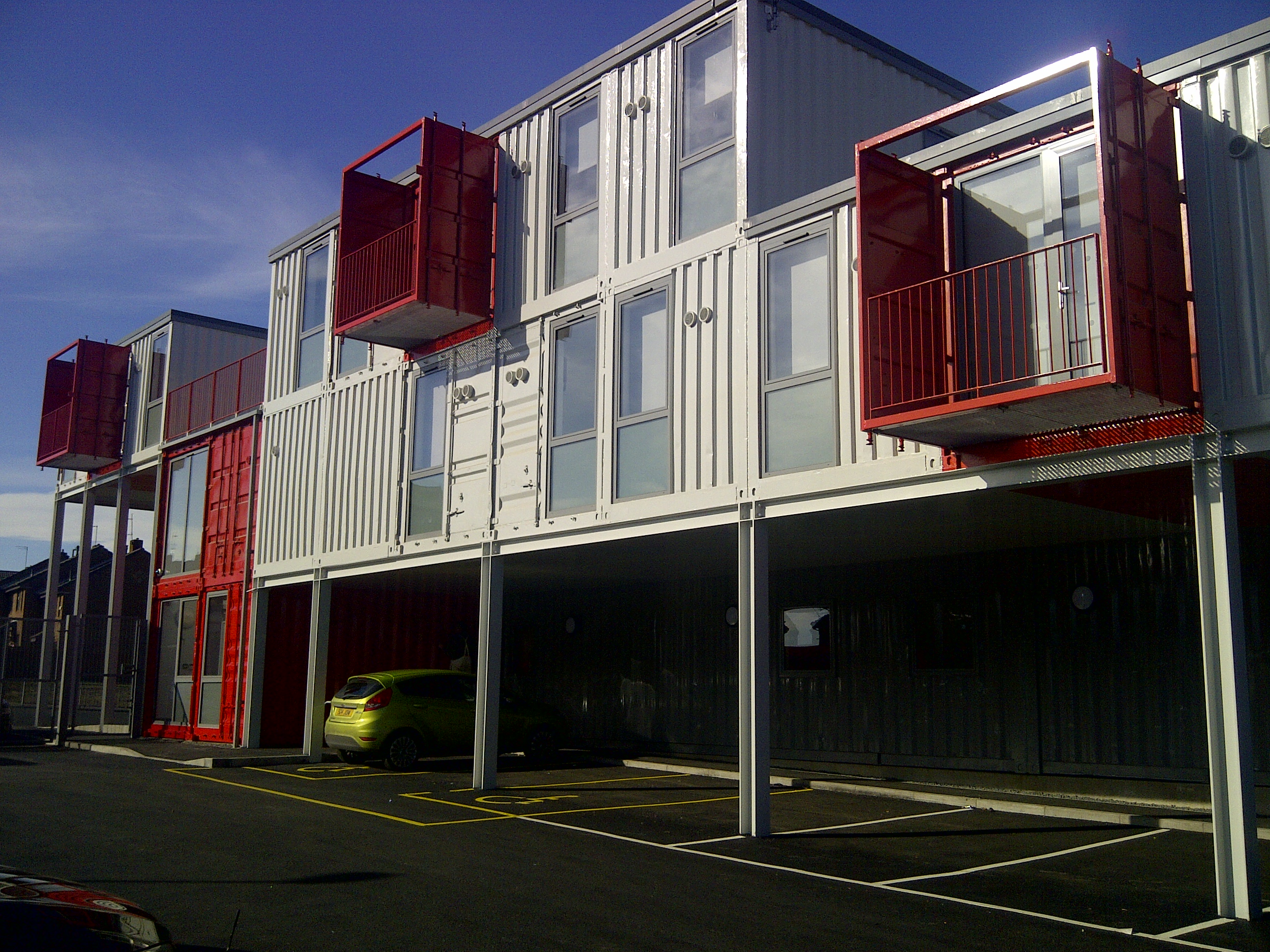
The challenge that prevents us from enacting this principle more frequently is implicit in my description of it. Providing more complete and accurate information has an upfront cost; but the financial returns that follow from “more forward-looking” decisions by definition are realised after some period of time. Worse; the organisational and budgetary structure of cities imply that the organisations responsible for those upfront costs are rarely the ones that are able to realise the consequent financial benefits.

In the last couple of points, my focus shifted from “social, environmental and financial” outcomes to “financial benefits”. The former might be the ultimate objectives of cities considering Smarter City initiatives; but they will only win investment funding where they can demonstrate short term financial returns for investors.

So in arguing that there’s a simple way to describe the core idea that underpins Smarter Cities, I’m not arguing that it’s a simple matter to secure the funding to implement it. However, securing such funding from decision makers and investors who are short of time and who are not from a technical background could certainly be made easier by communicating to them a simple idea that’s rooted in common sense.

And that’s exactly how I think we can and should describe Smarter Cities; so I’ll do it again for completeness: use more complete and accurate information to take better-informed, more forward-looking decisions.

Sounds simple, doesn’t it?

Could the future of money be city currencies?

(Photo of a halfpenny minted by Matthew Boulton in Birmingham; from Smabs Sputzer)

It’s just possible that this week marks a tipping point in the events that have engulfed the UK banking industry since the economic crisis that began in 2008.

Around that time, I questioned whether there was a need to think differently about how we measure the exchange of value, and cited a special edition of the New Scientist magazine as supporting evidence. My last couple of blog posts have raised similar questions supported first by a publication from the UK Royal Society, then by a speech by Christine Lagarde, Managing Director of the International Monetary Fund.

This week the sources calling for change became much harder to ignore, because – in the context of UK banking – they came much closer to home.

An editorial of the London Financial Times stated that the evidence of a culture of corruption in banking was now so clear that there was no alternative but to properly separate investment banks who take speculative risks to generate profit from retail banks who look after our personal financial livelihoods and nurture the growth of small businesses (read the article here, it requires free registration).

Simon Walker, the Head of the UK’s Institute of Directors, made a blunt call for a clear-out of senior figures in the industry, as reported by the Guardian newspaper; and Mervyn King, Governor of the Bank of England, was similarly uncompromising, eventually leading to the resignation of Barclays’ CEO, Bob Diamond.

These people and organisations are at the heart of the UK’s business and financial community; Barclay’s CEO could not ignore them. Their combined weight might just mark an overall tipping point and lead to serious reform of the industry.

But why should I be concerned with this in a blog that focuses on the exploitation of emerging technology in city ecosystems?

To answer that, I need to look back to the 1780’s and the birth of the Industrial Revolution. At the time, the UK’s Royal Mint was using hand-powered presses to make coins; and they were struggling badly to keep pace with the demand for coinage caused by a growing economy. The country was experiencing a “coin famine”.

(Photo of machines from the industrial revolution in Birmingham’s Science Museum by Chris Moore)

Enter Matthew Boulton and James Watt. James Watt invented the world’s most efficient steam engine; and Boulton commercialised it to power the Industrial Revolution. In particular, Boulton realised that by combining steam power with intricate machinery, it was possible to mass-manufacture sophisticated, designed objects such as enamelled badges, engraved brooches and complex metal fastenings. This innovation marked the fist appearance of mid-market “designed goods” in the space between functional commodities and one-off pieces of art. Some of the original machines that produced these goods can still be seen in Birmingham’s Science Museum and they make Heath Robinson’s imaginary contraptions look like penny toys.

Boulton realised that using such machines, he could literally print money, and produce coins faster and at much lower cost than the Royal Mint. He never formally won the right to do that from the national Government, but he did print coinage and “trade tokens” for employers in cities all over the country who quite simply needed something to pay their workers with. In many of those cities, Boulton’s coins replaced the national currency for a considerable time until the Royal Mint transformed its operations and provided sufficient national coinage again. Some of this history can be found on wikipedia, but for the full story Jenny Uglow’s wonderful book “The Lunar Men” can’t be beaten.

If the steam engine was the disruptive technology of the Industrial Revolution, I’m increasingly convinced that the digital marketplace platform is the equivalent for city systems today.

(Photo of the Brixton Pound by Matt Brown)

Marketplaces need currencies, of course; and sure enough, new currencies are starting to emerge. The Brixton Pound was set up by a social enterprise in 2009; and the scheme was adopted in Bristol this year. Startups such as Workstars are developing innovative new models for hyperlocal reward schemes involving employers and retailers that are an uncanny modern echo of Boulton’s 18th century trade tokens. And entrepreneurs in Birmingham have launched the local smartphone payment app “Droplet”.

The interesting thing about these schemes is that they have a more localised sense of value than the global monetary system; and they can reinforce the local economic synergies that are the key to sustainable growth in cities and regions.

In this context, it’s interesting to note the remarks of Romeo Pascual, Los Angeles Deputy Mayor of the Environment, at the Base Cities London conference recently. Deputy Mayor Pascual had just returned from the Rio+C40 Cities meeting. In contrast to what many believe to be the relatively weak agreement signed by national leaders at the Rio+20 meeting, he said that he and his colleagues had been united in their resolve to take strong action to lead cities towards sustainable growth.

Technology can now offer cities very interesting possibilities for creating local systems of exchange, whether we call them local currencies, reward schemes or virtual money. There’s no reason why they should behave in the same way as the currencies we know well today; and every reason to be optimistic that new types of organisation such as social enterprises will find ways to use them to create social and environmental, as well as financial, value.

Of course these innovations are on a relatively small scale for now. But they are emerging at the same time that city leaders are determined to make changes; and at a time that – in the UK at least – traditional systems of banking are under serious scrutiny. The future of money could hold some very interesting – and important – surprises for us.

Digital Platforms for Smarter City Market-Making

Local delicacies for sale in Phnom Penh’s central market

There’s been a distinct change recently in how we describe what a “Smarter City” is. Whereas in the past we’ve focused on the capabilities of technology to make city systems more intelligent, we’re now looking to marketplace economics to describe the defining characteristics of Smarter City behaviour.

The link between the two views is the ability of emerging technology platforms to enable the formation of new marketplaces which make possible new exchanges of resources, information and value. Historically, growth in Internet coverage and bandwidth led to the disintermediation of value chains in industries such as retail, publishing and music. Soon we will see technologies that connect information with the physical world in more intimate ways cause disruptions in industries such as food supply, manufacturing and healthcare.

There are two reasons we’ve switched focus from a technology to an economic perspective of Smarter Cities. The first is that these new marketplaces are the way to make both public service delivery and economic growth within cities sustainable. The second is that it’s only by examining the money flows within them that we can identify the revenue streams that will fund the construction and operation of their supporting technology platforms.

The importance of driving sustainable, equitably distributed recovery to economic growth from the current financial crisis was championed by Christine Lagarde, the Managing Director of the International Monetary Fund, in her speech ahead of the Rio +20 Summit. She emphasised the role of stability in enabling such a recovery. Instability is change, and managing change consumes resources. So stable systems – or stable cities – consume less resources than unstable ones. And they’re much more comfortable places to live.

(Photo of a Portuguese call centre by Vitor Lima)

This concept explains a shift in the economic strategy of some cities and nations. In recent decades cities have used Foreign Direct Investment (FDI) tools such as tax breaks to incent existing businesses to relocate to their economies. When cities such as Sunderland and Birmingham lost 10%-25% of their jobs in less than two decades in the 1980’s and 1990’s, FDI provided the emergency fix that brought in new jobs in call centres, financial services and manufacturing.

But businesses that find it possible and cost-effective to relocate for these reasons can and do relocate again when more attractive incentives are offered elsewhere. So they tend to integrate relatively shallowly in local economies – retaining their existing globalised supply chains, for example. When they move on, they cause expensive, socially damaging instabilities in the cities they leave behind.

(Photo of the Clock Tower in Birmingham’s Jewellery Quarter by Roland Turner)

The new focus is on sustainable, organic economic growth driven by SMEs in locally re-inforcing clusters. By building clusters of companies providing related products and services with strong input/output linkages, cities can create economies that are more deeply rooted in their locality. Examples include the cluster of wireless technology companies in Cambridge with strong ties to the local university; or Birmingham’s Jewellery Quarter, an incredibly dense cluster of designers, manufacturers and retailers who work with Birmingham City University’s School of Jewellery and Horology and their Jewellery Innovation Centre. Many cities I work with are focussing their economic development resources on clusters in the specific industry sectors where they can demonstrate unique strength.

In order to succeed, such clusters need access to transactional marketplaces for trading with each other; and for winning business in local, national and international markets. The disruptive, disintermediating capabilities of Smarter City technologies could help such marketplaces to work more quickly, at lower cost; to extend the market reach of their members; to find new innovations through discovering synergies across traditional industry sectors; or to support the formation of innovative business models that recognise and capitalise social and environmental value. These marketplaces are also exactly what’s needed to support the transformation to open public services.

(Photo of cattle market in Kashgar, China by By Ben Paarmann)


Marketplaces need infrastructure. In traditional terms, that infrastructure might have consisted – in the case of my local cattle market in Kidderminster say – of a physical building; a hinterland connected by transport routes; a governing authority; a system of payments; and a means of determining the quality and value of goods and services to be exchanged. Smarter City markets are no different. They may be based on technology platforms rather than in buildings; but they need governance, identity and reputation management, payment systems and other supporting services. The implementation and operation of those infrastructure capabilities has a significant cost.

This is where large and small organisations need to partner to deliver meaningful innovation in Smarter Cities. The resources of larger organisations – whether they are national governments, local councils, transport providers, employers or technology vendors – are required to underwrite infrastructure investments on the basis of future financial returns in the form of commercial revenues or tax receipts. But innovations in the delivery of value to local communities are likely to be created by small, agile organisations deeply embedded in those communities. An example where this is already happening is in Dublin, where entrepreneurial organisations are using the city’s open data portal to develop new business models that are winning venture capital backing.

(Photo of the “Container City” incubation hub for social enterprises operated by Sustainable Enterprise Strategies in Sunderland)


In order to replicate at scale what’s happening in Dublin and Sunderland, we need to define the open standards through which agile “Apps” developed by local innovators can access the capabilities of new marketplace infrastructures. Those standards need to be associated with financial models that balance affordability for citizens, communities and entrepreneurial businesses with the cost of operating resilient infrastructures.

If we can get that balance right, then stakeholders across city systems everywhere could work more effectively together to deliver Smarter City solutions that really address the big survival challenges facing us: reliable systems that everyone can use across the rich diversity of our cities, communities and citizens.